
On this page
Overview
A "Target bot" is automation built to watch Target.com for restocks on limited-availability items, most commonly gaming consoles, graphics cards, and collectibles, and then complete checkout faster than a human can click through the page. The idea is simple. Building one that actually works, and keeping it working without getting your account banned, is a lot harder than most tutorials make it sound.
What these bots technically do
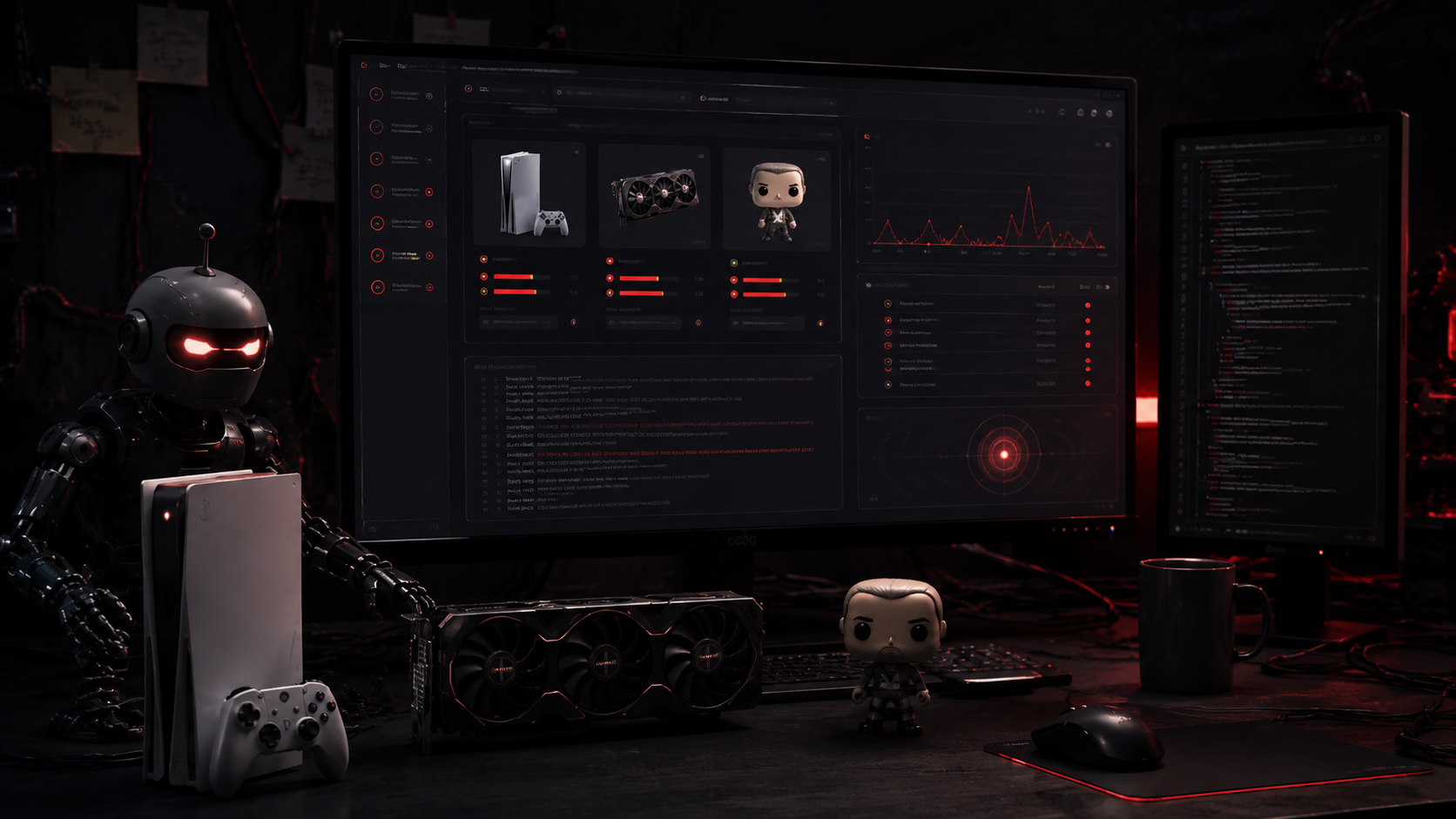
A checkout bot typically combines two pieces: a monitor that repeatedly checks stock status through the site's page data or an undocumented API endpoint, and a checkout script that pre-fills payment and shipping details the moment stock appears.
More advanced versions rotate through residential proxies and randomize browser fingerprints to avoid looking like automated traffic, because retailers run bot-detection services (Akamai and PerimeterX are common ones) specifically designed to catch this pattern.
The monitoring side alone is a moving target. Retailers change their page structure and API responses without notice specifically to break existing bots, so a script that reliably detects restocks this week can silently stop working next week with no error message, just missed drops. Anyone running one needs to actively maintain it, not set it up once and walk away.
Why building your own is riskier than buying one, and why buying one is risky too
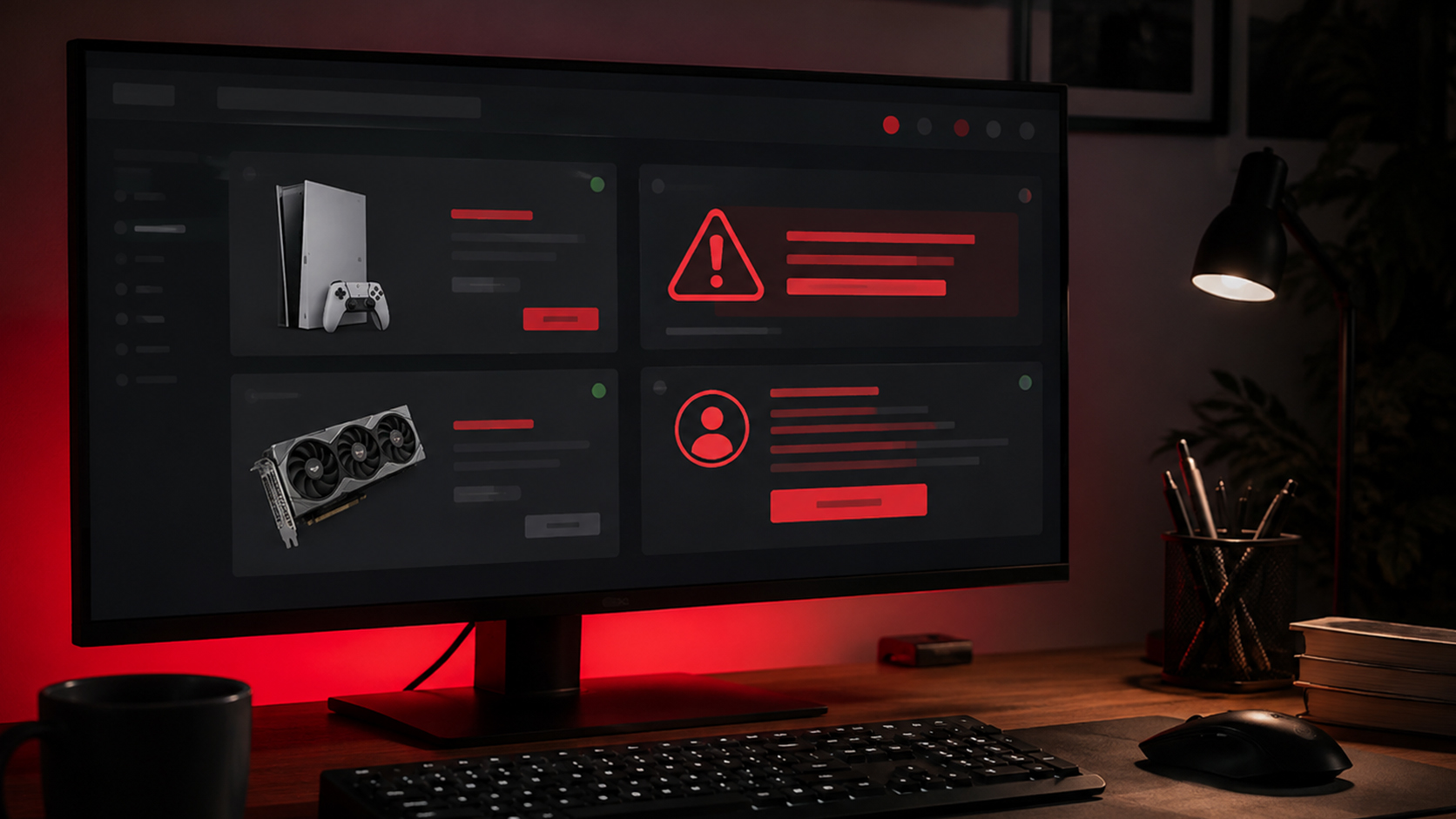
Terms of service violations. Target's terms explicitly prohibit automated purchasing, and violating them is grounds for canceling orders and banning the account and payment method tied to it.
An ongoing arms race. Retailers update their bot detection regularly, so a script that works this month can be blocked next month with no warning, and debugging why requires real reverse-engineering skill.
Financial exposure. Bots that fail mid-checkout can leave a card charged with no item shipped, and there is no customer service escalation path for a purchase a retailer considers fraudulent automation.
Legal gray area. Several US states have passed laws specifically targeting bots used to buy limited-availability consumer goods for resale, with penalties that vary by jurisdiction.
Scam risk from third-party bot sellers. A large share of "guaranteed" bot software sold on Discord and forums simply does not work, or is designed to harvest the payment details you enter.
The financial math rarely works out for casual users either. Between proxy subscriptions, bot software licenses, and the cards and shipping addresses needed to avoid one-per-household limits, the overhead for a single successful checkout can exceed the resale profit on all but the highest-demand items, and that is before accounting for a banned account wiping out the setup entirely.
Safer ways to catch a restock
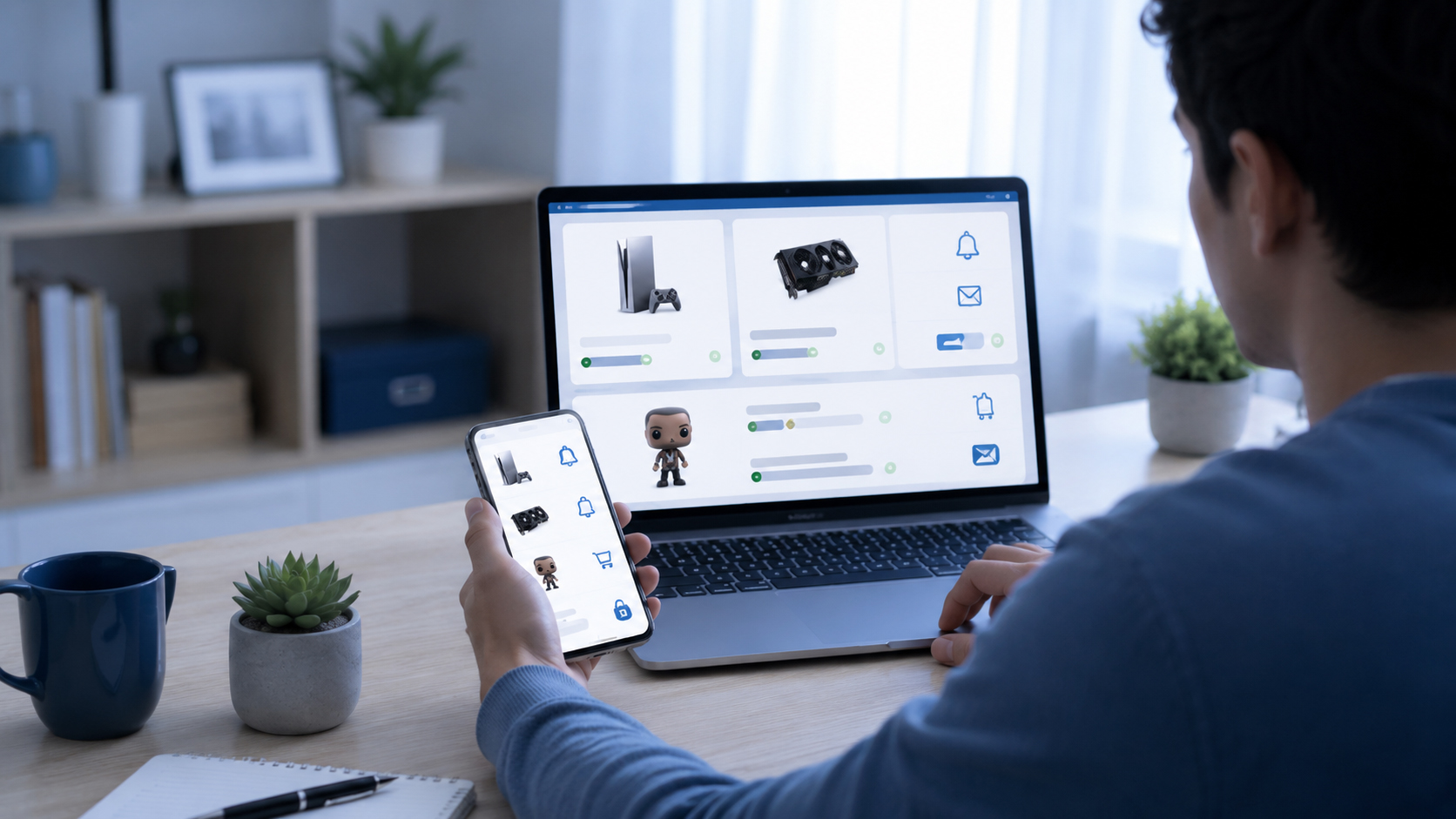
Stock-alert services and browser extensions that notify you the moment an item shows in-stock, without automating the purchase itself.
Following dedicated restock-tracking accounts on social media, which post drop times faster than most people can manually refresh a page.
Signing up for the retailer's own notify-me or waitlist feature when one is offered, which is the only option a retailer's terms explicitly support.
Buying directly from the manufacturer's site during announced drop windows, since demand is often spread across fewer bots there than on general retail sites.
If the goal is simply speed and reliability for legitimate, permitted automation (price tracking, inventory monitoring for a business you run, or trading strategies where automation is expected and allowed), that kind of workload benefits from stable, always-on server infrastructure. Retail checkout botting against a single consumer retailer's explicit rules is a different category of risk entirely, and no amount of infrastructure changes that.
PropVPS Is Built for Trading, Not Retail Botting
PropVPS is purpose-built infrastructure for prop traders running MetaTrader, NinjaTrader, and similar platforms under rules those platforms and brokers actually permit. If your interest in fast, always-on servers comes from wanting to run legitimate automated trading strategies rather than retail checkout bots, that's exactly the workload our infrastructure is designed for.